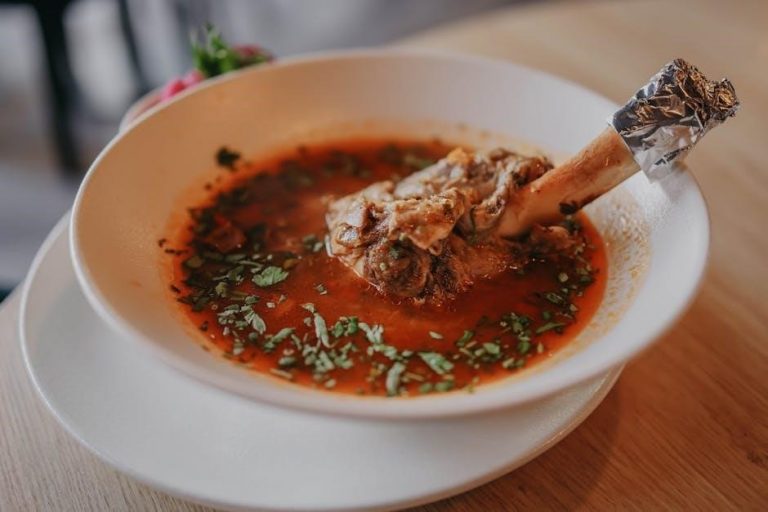
Dr. Kellyann Petrucci’s plan combines Paleo principles with intermittent fasting, utilizing bone broth for gut health and weight loss over 21 days.
What is the 21-Day Bone Broth Diet?
The 21-Day Bone Broth Diet is a structured eating plan designed to promote weight loss, improve gut health, and enhance overall wellness. It centers around a cyclical approach, alternating between five days of Paleo-style eating and two days dedicated to consuming primarily bone broth. This isn’t a restrictive, long-term diet, but rather a mini-fasting regimen.
The core idea is to leverage the nutritional benefits of bone broth – rich in collagen, amino acids, and minerals – while eliminating inflammatory foods during Paleo days. This combination aims to reduce inflammation, support digestion, and encourage fat burning. It’s a 21-day reset, not a lifelong commitment.
The Core Principles: Paleo & Intermittent Fasting
The diet’s foundation rests on two key principles: the Paleo diet and intermittent fasting. Paleo emphasizes whole, unprocessed foods – lean proteins, vegetables, fruits, and healthy fats – mirroring the presumed diet of our Paleolithic ancestors. This eliminates grains, legumes, dairy, and processed sugars, reducing inflammation.
Intermittent fasting, specifically a 2-day bone broth fast, creates periods of calorie restriction, promoting cellular repair and fat loss. Combining these approaches amplifies benefits; Paleo provides nutrient density, while fasting encourages metabolic flexibility and gut healing. This synergy is central to the diet’s effectiveness.
Dr. Kellyann Petrucci and the Diet’s Origins
Dr. Kellyann Petrucci, a naturopathic physician, developed the 21-Day Bone Broth Diet based on her clinical experience and research into the healing properties of bone broth. She observed remarkable transformations in patients utilizing bone broth for weight loss, improved skin health, and reduced inflammation.
Her approach centers on bone broth’s collagen, amino acids, and minerals, combined with a Paleo-style eating plan and strategic fasting. Dr. Petrucci’s work emphasizes gut health as foundational to overall wellness, and the diet aims to repair and restore the gut lining, leading to systemic improvements.
Understanding Bone Broth
Bone broth is rich in collagen, amino acids, and minerals, offering nutritional benefits for gut health, skin elasticity, and joint support.
Nutritional Benefits of Bone Broth
Bone broth is celebrated for its impressive nutritional profile, stemming from the long simmering of animal bones and connective tissues. This process extracts collagen, crucial for skin, joint, and gut health, alongside amino acids like glycine and proline, supporting detoxification and tissue repair.
Rich in minerals like calcium, magnesium, and phosphorus, bone broth contributes to bone density and overall mineral balance. Its gelatin content aids digestion and promotes a healthy gut lining, potentially reducing inflammation. Furthermore, bone broth provides chondroitin and glucosamine, compounds often used to alleviate joint pain and improve mobility.
Types of Bone Broth (Beef, Chicken, Fish)
Bone broth varies significantly based on the animal source, each offering unique benefits. Beef bone broth is rich in collagen and gelatin, ideal for joint health and skin elasticity. Chicken bone broth is lighter and easily digestible, providing a good source of amino acids and supporting the immune system.
Fish bone broth, though less common, is exceptionally high in iodine and omega-3 fatty acids, promoting thyroid function and reducing inflammation. The flavor profiles differ considerably; beef broth is robust, chicken is mild, and fish broth is delicate. Choosing the right type depends on individual preferences and dietary needs.
Making Your Own Bone Broth vs. Store-Bought
While convenient, store-bought bone broth often lacks the nutrient density and collagen content of homemade versions. Commercial options may contain added sodium, preservatives, or lower-quality bones. Making your own allows complete control over ingredients, ensuring optimal quality and flavor.
Homemade broth requires simmering bones for extended periods – 12-48 hours – to extract maximum nutrients. Though time-consuming, the resulting broth is significantly richer and more beneficial. Consider your lifestyle and priorities when deciding; both options have merit, but homemade generally provides superior results.
The 21-Day Diet Plan Breakdown
The diet cycles through five days of Paleo eating followed by two days of bone broth fasting, repeated weekly for a total of 21 days.
The 5-Day Paleo Eating Schedule
During the five Paleo days, the focus is on whole, unprocessed foods mirroring the eating habits of our Paleolithic ancestors. Meals might include veggie omelets for breakfast, providing a protein-rich start to the day. Lunch options could be grilled chicken salads, offering lean protein and essential nutrients. Dinner frequently features baked salmon with steamed broccoli, delivering healthy fats and fiber.
Snacks are also Paleo-approved, such as an apple with almond butter, offering sustained energy. The goal is to nourish the body with nutrient-dense foods, supporting gut health and overall well-being while preparing for the bone broth fasting periods.
The 2-Day Bone Broth Fasting Schedule
The two bone broth fasting days are designed as a mini-fast, allowing the gut to rest and repair. Throughout these days, solid food is eliminated, and nutrient-rich bone broth becomes the primary source of nourishment. Consuming 6-8 cups of bone broth daily is recommended, spaced throughout the day to maintain hydration and minimize hunger.
This schedule supports detoxification and reduces inflammation. Water and herbal teas are permitted alongside the broth. The fasting period isn’t about deprivation, but rather providing the body with easily digestible nutrients while promoting healing.
Weekly Rotation and Flexibility
The 21-day diet operates on a weekly cycle of five Paleo days followed by two bone broth fasting days. This rotation allows for consistent benefits while preventing prolonged restriction. However, the plan encourages flexibility; adjust fasting days based on your schedule, ensuring they aren’t consecutive.
Listen to your body and prioritize well-being. If a fasting day feels overly challenging, modify it with a small amount of Paleo-approved food. Consistency is key, but adapting the plan to individual needs enhances long-term success.
Sample Meal Plans
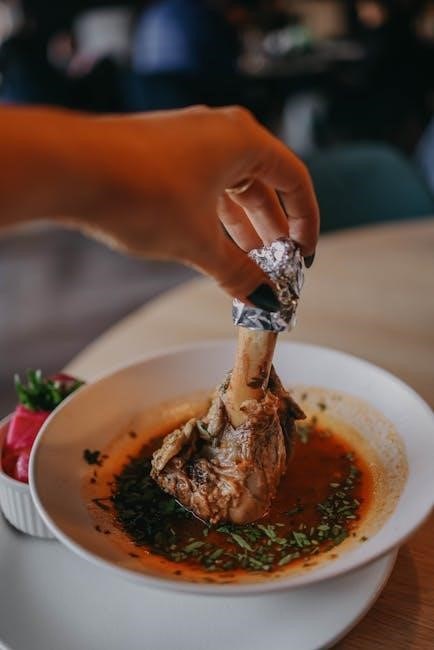
Paleo days feature meals like veggie omelets, grilled chicken salads, and baked salmon, while fasting days center around nourishing bone broth consumption.
Paleo Day Breakfast Ideas
During the five Paleo days of the 21-Day Bone Broth Diet, breakfasts should be protein-rich and focus on whole, unprocessed foods. Consider a vibrant veggie omelet packed with spinach, mushrooms, and bell peppers for a nutrient boost. Another excellent option is a scramble with leftover cooked meats and seasonal vegetables. For a quicker choice, a smoothie blending almond milk, berries, and a scoop of Paleo-friendly protein powder provides sustained energy. Don’t forget to incorporate healthy fats like avocado or a small handful of nuts to keep you feeling full and satisfied until lunchtime. Remember to avoid grains, dairy, and added sugars.
Paleo Day Lunch Recipes
Paleo lunches on the 21-Day Bone Broth Diet should prioritize lean proteins, healthy fats, and plenty of non-starchy vegetables. A grilled chicken salad with mixed greens, avocado, and a lemon-olive oil dressing is a fantastic choice. Alternatively, enjoy a large salad with baked salmon and a side of roasted sweet potatoes. Ground turkey lettuce wraps offer a light yet satisfying meal. Leftovers from dinner also make excellent lunches! Remember to avoid legumes, grains, and processed foods. Focus on whole, nutrient-dense ingredients to fuel your afternoon and support your weight loss goals.
Paleo Day Dinner Options
Paleo dinners during the 21-Day Bone Broth Diet should continue the focus on protein, healthy fats, and vegetables. Baked salmon with steamed broccoli and a drizzle of olive oil is a simple and nutritious option. Consider a stir-fry with chicken or shrimp and a variety of colorful vegetables, using coconut aminos instead of soy sauce. Ground beef and cauliflower rice bowls are also satisfying. Roasted chicken with roasted root vegetables provides a hearty meal. Avoid all grains, legumes, and processed sugars. Prioritize fresh, whole foods for optimal results.
Bone Broth Fasting Day Schedule
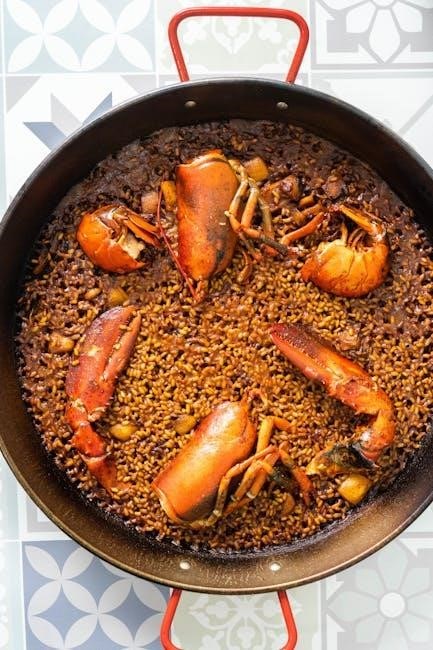
On bone broth fasting days, consume 6-8 cups of bone broth throughout the day, spaced evenly apart. Start with a cup upon waking and have a cup before bed. You can add a pinch of sea salt or herbs for flavor. Water is also crucial for hydration – aim for at least 8 glasses. Light activity, like walking, is permitted, but avoid strenuous exercise. Listen to your body and rest when needed. A small amount of healthy fat, like a teaspoon of coconut oil in your broth, can help manage hunger.
Foods to Eat & Avoid
The diet emphasizes Paleo-approved foods during eating days, while strictly limiting processed foods, sugar, and grains, especially on fasting days.
Paleo-Approved Foods List
During the five Paleo days of the 21-Day Bone Broth Diet, focus on whole, unprocessed foods mirroring the eating habits of our Paleolithic ancestors. This includes a variety of lean proteins like grass-fed beef, poultry, and wild-caught fish. Non-starchy vegetables such as broccoli, spinach, and kale are essential, alongside healthy fats from avocados, olive oil, and nuts. Limited amounts of fruits like berries and apples are permitted. Remember to prioritize nutrient-dense options and avoid anything processed or containing added sugars. This dietary approach supports gut health and provides sustained energy throughout the diet.
Foods to Eliminate During Paleo Days
While the Paleo portion of the 21-Day Bone Broth Diet emphasizes whole foods, several items must be strictly avoided. Eliminate all grains – wheat, rice, corn, and oats – alongside legumes like beans, lentils, and peanuts. Dairy products, including milk, cheese, and yogurt, are also prohibited. Processed foods, refined sugars, and artificial sweeteners have no place in this phase. Additionally, avoid starchy vegetables like potatoes and limit fruit intake. These exclusions aim to reduce inflammation and support optimal gut function during the diet’s Paleo component.
Foods to Avoid During Bone Broth Fasting
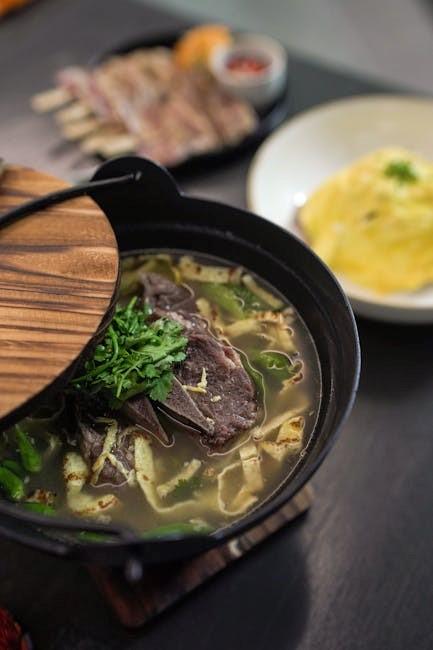
During the two designated bone broth fasting days each week, adherence is crucial for optimal results. Completely eliminate solid foods; your sole nourishment comes from bone broth. This includes all fruits, vegetables, meats, and Paleo-approved snacks. Avoid any beverages beyond water, herbal teas, and, of course, bone broth itself. Sugary drinks, coffee, and alcohol are strictly prohibited. The purpose of these fasting days is to give your digestive system a complete rest and maximize the benefits of the nutrient-rich bone broth.
Maximizing Results
Prioritize hydration with water and herbal teas, combine the diet with regular exercise, and proactively manage hunger through strategic planning.
Hydration Strategies
Maintaining adequate hydration is crucial during the 21-Day Bone Broth Diet, especially on fasting days. While bone broth contributes to fluid intake, supplementing with water is essential. Aim for at least eight glasses of water daily, and consider incorporating herbal teas like chamomile or ginger for added benefits. Proper hydration supports digestion, nutrient absorption, and helps manage hunger pangs. It also aids in detoxification and can improve skin elasticity. Avoid sugary drinks and excessive caffeine, as these can hinder your progress. Listen to your body and drink whenever you feel thirsty, prioritizing consistent fluid intake throughout the day.
Incorporating Exercise
While not mandatory, incorporating exercise can significantly enhance the results of the 21-Day Bone Broth Diet. Focus on low-to-moderate intensity activities like walking, yoga, or swimming, especially during Paleo days. Avoid strenuous workouts on bone broth fasting days to prevent excessive fatigue. Exercise boosts metabolism, supports weight loss, and improves overall well-being. Aim for at least 30 minutes of physical activity most days of the week. Remember to listen to your body and adjust the intensity based on your energy levels. Combining diet with exercise creates a synergistic effect for optimal health benefits.
Managing Hunger and Cravings
Hunger and cravings are common during dietary changes like the 21-Day Bone Broth Diet. Prioritize drinking plenty of bone broth throughout the day, as it’s filling and nutrient-rich. On Paleo days, focus on protein and healthy fats to promote satiety. Distract yourself with activities when cravings arise, and practice mindful eating. Don’t restrict calories excessively, as this can worsen hunger. Adequate sleep and stress management also play a crucial role. If cravings persist, consider a small, Paleo-approved snack. Remember, this is a temporary plan, and cravings will subside.
Potential Benefits & Side Effects
The diet may offer weight loss, improved gut health, and enhanced skin/joint health, but potential side effects like fatigue or digestive upset can occur.
Weight Loss Potential
The 21-Day Bone Broth Diet is frequently pursued for its potential to facilitate weight loss. While direct scientific evidence specifically linking the diet to weight reduction is limited, the core components – intermittent fasting and a Paleo-style eating plan – are individually associated with positive changes in body composition. Intermittent fasting can create a calorie deficit, prompting the body to utilize stored fat for energy.
Furthermore, the Paleo diet emphasizes whole, unprocessed foods, naturally lower in calories and higher in nutrients compared to a typical Western diet. Bone broth itself, rich in collagen and protein, can promote feelings of fullness, potentially reducing overall calorie intake. However, individual results will vary based on adherence, activity level, and metabolic factors.
Gut Health Improvements
A central tenet of the 21-Day Bone Broth Diet revolves around enhancing gut health. Bone broth is rich in collagen, gelatin, and amino acids like glutamine, all of which are believed to support the integrity of the gut lining. A compromised gut lining, often referred to as “leaky gut,” can contribute to inflammation and various health issues.
By strengthening the gut barrier, bone broth may improve nutrient absorption and reduce inflammation. The Paleo component of the diet further supports gut health by eliminating processed foods, sugars, and potential irritants. A healthier gut microbiome is linked to improved digestion, immunity, and overall well-being.
Skin and Joint Health Benefits
The 21-Day Bone Broth Diet frequently highlights improvements in skin and joint health, largely attributed to the collagen content of bone broth. Collagen is a crucial protein for skin elasticity and hydration, potentially reducing the appearance of wrinkles and promoting a more youthful complexion.
Furthermore, collagen supports cartilage health, which can alleviate joint pain and improve mobility. The amino acids in bone broth contribute to cartilage repair and reduce inflammation. Paleo’s anti-inflammatory nature complements these benefits, fostering a holistic approach to joint and skin wellness.
Possible Side Effects & How to Manage Them
While generally safe, the 21-Day Bone Broth Diet can present some side effects. During fasting days, individuals may experience fatigue, headaches, or irritability due to reduced calorie intake. Adequate hydration is crucial to mitigate these symptoms. Some may encounter digestive upset initially as the gut adjusts to the Paleo diet’s increased fiber.
Electrolyte imbalances are possible during fasting; supplementing with sodium can help. Listen to your body and adjust the plan if needed, prioritizing overall well-being over strict adherence.

Recipes & Resources
Discover basic bone broth recipes and Paleo-friendly meal ideas to support your 21-day journey, alongside links for further recipes and community support.
Basic Bone Broth Recipe
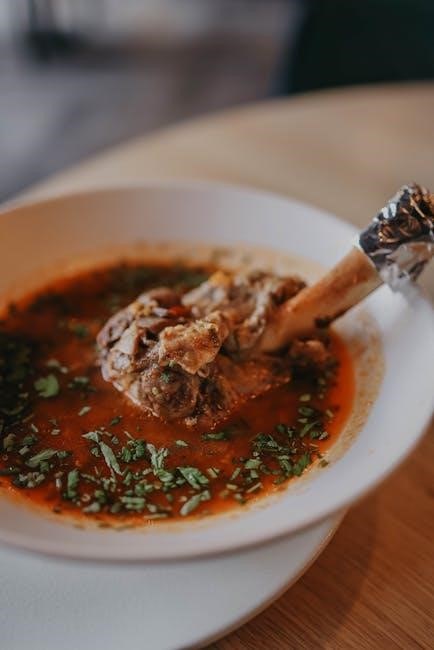
Creating your own bone broth is surprisingly simple! Begin with 2-3 pounds of bones – chicken, beef, or fish – and place them in a large stockpot. Add 2 tablespoons of apple cider vinegar, which helps draw out the collagen. Cover the bones with filtered water, adding chopped vegetables like carrots, celery, and onion for extra nutrients and flavor. Bring to a boil, then reduce heat and simmer for 12-24 hours, skimming off any foam that rises to the surface. Strain the broth through a fine-mesh sieve, discarding the solids. Season with salt and pepper to taste. This nutrient-rich broth forms the foundation of the fasting days and supports overall wellness throughout the 21-day plan;
Paleo-Friendly Recipe Ideas
During the five Paleo days, focus on whole, unprocessed foods. For breakfast, try a veggie omelet with spinach and mushrooms, or a sweet potato hash with eggs. Lunch options include grilled chicken salads with mixed greens and avocado, or salmon patties with a side of steamed broccoli. Dinner could be baked salmon with asparagus, or a hearty beef and vegetable stir-fry. Snacks can include apple slices with almond butter, or a handful of berries. These meals provide essential nutrients and support the diet’s goals of reducing inflammation and promoting gut health.
Where to Find More Recipes & Support
For additional recipes and guidance, Dr. Kellyann Petrucci’s official website offers a wealth of resources, including detailed meal plans and cooking demonstrations. Online Paleo communities and forums provide support and recipe sharing among dieters. Numerous cookbooks dedicated to Paleo and bone broth cuisine can inspire new meal ideas. Social media groups focused on the 21-Day Bone Broth Diet offer a platform for connecting with others and exchanging tips. Remember to consult with a healthcare professional before starting any new diet plan.
Long-Term Sustainability
Transition involves incorporating Paleo principles and bone broth into a balanced lifestyle, focusing on gut health and mindful eating habits.
Transitioning Off the 21-Day Diet
Gradually reintroduce foods previously eliminated during the diet, prioritizing whole, unprocessed options. Don’t immediately revert to old eating patterns; instead, focus on maintaining the improved gut health achieved through bone broth and Paleo principles. Continue incorporating bone broth 2-3 times weekly for its collagen and nutrient benefits. Listen to your body and observe how different foods affect your energy levels and digestion. A slow, mindful approach prevents weight regain and supports long-term wellness. Prioritize protein, healthy fats, and plenty of vegetables. Remember, the goal isn’t restriction, but sustainable, nourishing habits.
Maintaining a Healthy Lifestyle Post-Diet
Sustaining results requires consistent effort beyond the 21 days. Continue prioritizing nutrient-dense foods, focusing on lean proteins, healthy fats, and abundant vegetables. Regular physical activity is crucial – aim for at least 30 minutes most days. Incorporate stress management techniques like yoga or meditation. Periodic “mini-fasts” with bone broth can support gut health and provide a reset. Hydration remains key; drink plenty of water daily. Focus on mindful eating, paying attention to hunger and fullness cues. Remember, a healthy lifestyle is a journey, not a destination.
Adapting the Principles for Ongoing Wellness
The 21-day diet’s core principles – gut healing, reduced inflammation, and mindful eating – can be integrated long-term. Continue incorporating bone broth 2-3 times weekly for its collagen and nutrient benefits. Adopt a predominantly Paleo-style approach, prioritizing whole, unprocessed foods. Experiment with intermittent fasting schedules that suit your lifestyle. Listen to your body and adjust as needed. Don’t view it as restrictive, but as a foundation for sustainable health. Prioritize sleep and stress reduction. This adaptable framework fosters lasting wellness, moving beyond a temporary “diet.”
Frequently Asked Questions
The diet is generally safe, but consult a doctor first. Modifications are possible; listen to your body. A small slip-up won’t derail progress!
Is the Diet Safe for Everyone?
While generally considered safe for many, the 21-Day Bone Broth Diet isn’t suitable for everyone. Individuals with pre-existing medical conditions, such as kidney issues or diabetes, should consult their healthcare provider before starting. Pregnant or breastfeeding women should also avoid this diet due to the restrictive nature and potential nutrient deficiencies. Those with a history of eating disorders may find the fasting component triggering.
It’s crucial to listen to your body and discontinue the diet if you experience any adverse effects. Prioritizing hydration and ensuring adequate electrolyte intake are essential for minimizing potential side effects. Always seek professional medical advice tailored to your specific health needs.
Can I Modify the Diet to Fit My Needs?
Yes, the 21-Day Bone Broth Diet can be adapted, but moderation is key. If strict Paleo is challenging, incorporating some flexibility with healthy fats and complex carbohydrates is acceptable. For those finding the two-day fast too intense, reducing it to one day or extending the Paleo days might be beneficial.
Individuals with dietary restrictions can substitute ingredients accordingly, ensuring they remain within the Paleo framework on non-fasting days. Prioritize listening to your body and adjusting the plan to support your individual needs and wellness goals.
What if I Slip Up During the Diet?
Don’t let a minor deviation derail your progress! Occasional slips are normal. If you consume a non-Paleo food, simply acknowledge it and return to the plan with your next meal. Avoid dwelling on the mistake, as guilt can hinder motivation.
Focus on the overall pattern of healthy eating. A single indulgence won’t negate the benefits of the diet. Remember, consistency is crucial, but self-compassion is equally important for long-term success and maintaining a positive mindset throughout the 21 days.