The Hobbit PDF Chapter 1: A Comprehensive Guide (Updated 02/12/2026)
Chapter 1, “An Unexpected Party,” is readily available as a PDF, totaling 17 pages and 405 KB․ Readers can access the full text online for free, alongside comprehension questions spanning chapters 1-3․
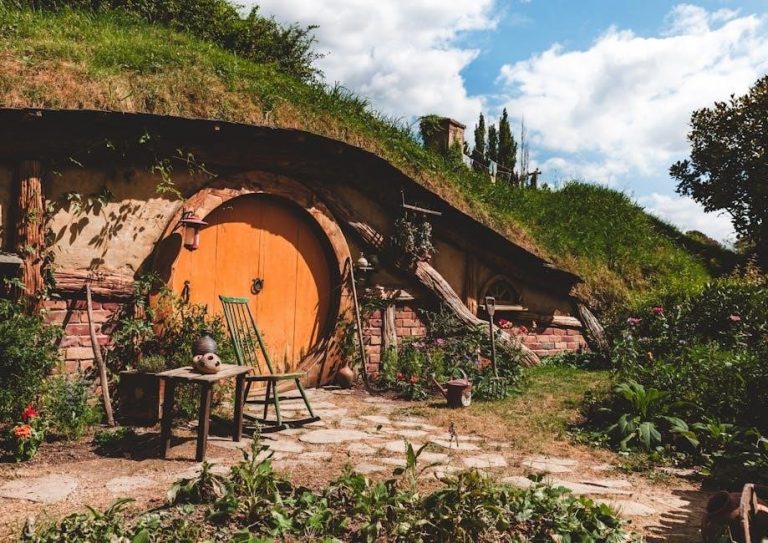
“An Unexpected Party”, the inaugural chapter of J․R․R․ Tolkien’s The Hobbit, serves as a delightful and crucial introduction to the world of Middle-earth and, most importantly, to the unassuming protagonist, Bilbo Baggins; This chapter, often found readily available as a PDF document – specifically, comprising the first 17 pages and totaling 405 KB in size – immediately establishes the comfortable, predictable existence of Bilbo within the Shire․
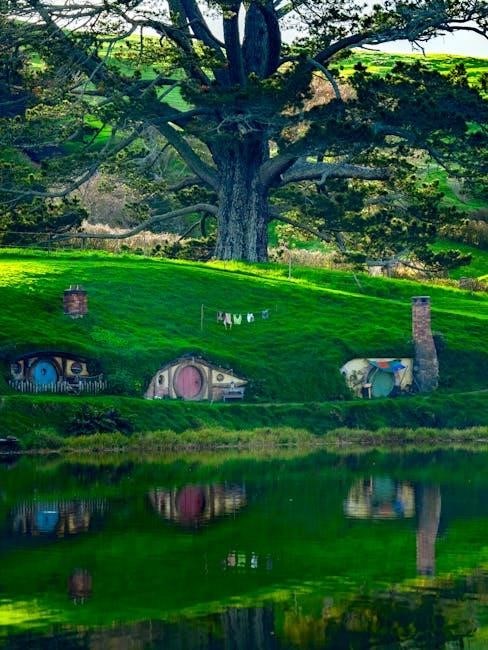
The narrative skillfully contrasts Bilbo’s peaceful hobbit-hole life with the impending disruption brought about by the arrival of Gandalf the wizard․ This initial encounter is not merely a plot device; it’s a catalyst for Bilbo’s character development and the adventure that unfolds․ The chapter’s tone is whimsical and inviting, drawing readers into Tolkien’s meticulously crafted world․
Furthermore, the chapter subtly hints at the larger quest to come, laying the groundwork for the arrival of the thirteen dwarves․ Access to this chapter, often through online platforms or as a downloadable PDF, allows readers to immediately immerse themselves in Tolkien’s storytelling and begin to unravel the mysteries of Middle-earth․ Comprehension questions related to this chapter, and those following, are frequently included in accompanying study guides․
Availability of The Hobbit PDF Online
Finding a PDF version of The Hobbit, particularly Chapter 1: “An Unexpected Party” (spanning 17 pages and 405 KB), is remarkably accessible in today’s digital landscape․ Numerous online platforms offer the complete text of Tolkien’s classic for free, allowing readers to enjoy the story without purchase․ These resources often provide the entire novel, not just individual chapters, but Chapter 1 is frequently highlighted as a starting point․
Several websites host the ebook in its entirety, enabling online reading without the need for downloads․ However, for offline access, downloading the PDF is a convenient option․ It’s important to note that while direct file downloads may not always be permitted on every site, the text is consistently available for reading within web browsers․
Furthermore, adaptations of the text, such as those by Olga Lamonova, may also be found in PDF format․ Readers should be aware of potential variations in formatting and translation․ Resources also include comprehension questions for chapters 1-3, often bundled with the PDF itself, aiding in study and understanding․
Understanding the Author: J․R․R․ Tolkien
John Ronald Reuel Tolkien, the author of The Hobbit, was a renowned academic and philologist, profoundly influencing the fantasy genre․ His deep understanding of languages, mythology, and folklore is intricately woven into the fabric of his narratives, including the opening chapter, “An Unexpected Party․” Tolkien’s background significantly shaped the world-building and linguistic details present in the story․
Tolkien’s creation of Middle-earth wasn’t a spontaneous act; it was a decades-long process rooted in his scholarly pursuits․ He invented entire languages, like Quenya and Sindarin, before crafting the stories to fit them․ This linguistic foundation lends authenticity and depth to the world of The Hobbit, even in its seemingly simple beginnings․
Understanding Tolkien’s academic life provides context for the meticulous detail found within Chapter 1․ The names, places, and even the social customs of the hobbits reflect his extensive research and imaginative application of historical and mythological elements․ His work continues to captivate readers, and the readily available PDF versions allow wider access to his literary genius․
The Role of Olga Lamonova in Adaptation
Olga Lamonova is credited with adapting The Hobbit, making the story accessible to a wider audience through a revised version․ While details regarding the specific changes within Chapter 1 of her adaptation aren’t explicitly detailed in the provided information, her role signifies an effort to reinterpret Tolkien’s work․
Adaptations often involve simplifying complex narratives or adjusting them for different age groups or cultural contexts․ Lamonova’s adaptation likely aims to preserve the core essence of “An Unexpected Party” while potentially streamlining the language or focusing on specific themes․ This process is common when bringing classic literature to new readers․
The existence of Lamonova’s adaptation highlights the enduring popularity of The Hobbit and the demand for various formats, including those suitable for different reading levels․ The availability of the original text as a PDF, alongside adapted versions, demonstrates a commitment to both preserving Tolkien’s vision and expanding its reach․ Her work contributes to the ongoing legacy of this beloved story․

Ilya Frank’s Reading Method & The Hobbit
The mention of Ilya Frank’s reading method alongside The Hobbit suggests a specific approach to engaging with Tolkien’s work, particularly when utilizing the PDF version of Chapter 1, “An Unexpected Party․” Frank’s method likely emphasizes active reading and comprehension, potentially involving techniques to enhance understanding and retention of the narrative․
Considering the comprehension questions available for chapters 1-3, Frank’s method could be particularly beneficial․ It might encourage readers to pause, analyze, and formulate answers to questions as they progress through the text․ This active engagement fosters a deeper connection with Bilbo’s world and the initial setup of the quest․
Applying Frank’s techniques to the 17-page, 405 KB PDF could involve breaking down the chapter into smaller sections, identifying key themes, and summarizing the events․ This structured approach would aid in grasping the nuances of Tolkien’s writing and appreciating the significance of “An Unexpected Party” as the story’s foundation․
Chapter 1: Key Themes and Initial Setup
Chapter 1, “An Unexpected Party,” within the Hobbit PDF, masterfully establishes core themes that resonate throughout Tolkien’s narrative․ The initial setup centers on Bilbo Baggins’ comfortable, predictable life, immediately contrasting with the disruption Gandalf and the dwarves introduce․ This highlights the theme of unexpected adventure and the disruption of the ordinary․
The chapter also subtly introduces the theme of courage and self-discovery․ Bilbo, initially reluctant, is nudged towards a journey that will force him to confront his limitations and unlock hidden potential․ The arrival of thirteen dwarves, each with their distinct personalities, foreshadows the importance of fellowship and cooperation․
The 405 KB, 17-page PDF allows for a focused examination of Tolkien’s world-building․ The detailed descriptions of Bag End and the dwarves’ boisterous energy create a vivid atmosphere, setting the stage for the epic quest to come․ The party itself symbolizes a turning point, marking Bilbo’s departure from his sheltered existence․
Bilbo Baggins: The Central Character
Bilbo Baggins is unequivocally the central character introduced in the opening chapter of The Hobbit PDF, “An Unexpected Party․” Initially presented as a quintessential hobbit – content with comfort, good food, and a peaceful existence – Bilbo embodies a life of quiet predictability․ This established normalcy is crucial, as it provides a stark contrast to the adventure that is thrust upon him․
The PDF’s 17 pages dedicated to this initial setup reveal Bilbo’s inherent, though dormant, qualities․ He possesses a Tookish side, a lineage hinting at a yearning for adventure, which Gandalf skillfully exploits․ His initial reluctance and polite protests demonstrate a character grappling with internal conflict․
Throughout the chapter, Bilbo’s reactions to Gandalf and the dwarves are pivotal․ He’s bewildered, then annoyed, and finally, cautiously intrigued․ This progression, detailed within the 405 KB file, showcases his evolving mindset․ Bilbo isn’t a hero seeking glory; he’s an ordinary hobbit drawn into extraordinary circumstances, making his journey all the more compelling․
Character Analysis: Bilbo’s Initial Personality
Within the first chapter of The Hobbit PDF, Bilbo Baggins is meticulously established as a creature of habit and comfort․ His personality, spanning the first 17 pages (405 KB), is defined by a love for his well-ordered hobbit-hole and a general aversion to anything “adventurous․” He represents the epitome of bourgeois respectability, valuing peace, quiet, and multiple meals a day․
However, the text subtly hints at a more complex nature․ Bilbo’s Tookish ancestry, though largely dormant, suggests a latent adventurous spirit․ This internal conflict is key to understanding his initial resistance to Gandalf’s proposition․ He isn’t simply cowardly; he’s torn between his comfortable present and a potential, unsettling future․
His polite, yet firm, refusals to participate in the dwarves’ quest reveal a strong sense of self-preservation, coupled with a deeply ingrained sense of propriety․ He’s a hobbit of good standing, and the idea of disrupting his routine is deeply unsettling․ This initial personality, carefully crafted within the PDF, sets the stage for his remarkable transformation․
The Unexpected Arrival of Gandalf
The opening of The Hobbit PDF, specifically within the 17 pages and 405 KB file size, is dramatically marked by the unexpected arrival of Gandalf․ He doesn’t simply arrive; he appears, disrupting Bilbo’s peaceful existence with an air of mystery and purpose․ This entrance immediately signals that Bilbo’s comfortable world is about to be irrevocably altered․
Gandalf’s initial interaction with Bilbo isn’t one of friendly greeting, but rather a deliberate assessment․ He seems to know something about Bilbo that Bilbo himself doesn’t fully grasp – the dormant Tookish side of his heritage․ This creates immediate tension and intrigue, setting the narrative in motion․
The wizard’s presence is described with an emphasis on his power and otherworldliness, contrasting sharply with Bilbo’s domesticity․ He’s a catalyst, a force of change, and his arrival is the inciting incident that propels Bilbo towards adventure․ The PDF clearly establishes Gandalf as a pivotal figure, initiating the events of the story and challenging Bilbo’s established lifestyle․
Gandalf’s Influence on Bilbo’s Life
Within the initial 17 pages (405 KB) of The Hobbit PDF, Gandalf’s influence on Bilbo is subtle yet profound․ He doesn’t force Bilbo into adventure, but rather plants the seed of possibility, exploiting the latent adventurous spirit inherited from his Took ancestors․ Gandalf’s marking of Bilbo’s door is symbolic – a signifier that Bilbo is now ‘chosen’ and visible to those seeking adventurers․
Gandalf’s questioning and observations subtly challenge Bilbo’s self-perception as a respectable, comfort-loving hobbit․ He hints at a hidden potential, a capacity for more than Bilbo believes himself capable of․ This gentle prodding is crucial in preparing Bilbo for the extraordinary events to come․
The wizard’s influence isn’t about dictating Bilbo’s path, but about unlocking a part of himself that had been suppressed․ He acts as a catalyst, nudging Bilbo towards a destiny he hadn’t imagined․ The PDF demonstrates how Gandalf’s seemingly casual interactions are, in fact, carefully orchestrated steps towards Bilbo’s transformation․
The Dwarves and Their Quest
As detailed within the first 17 pages (405 KB) of The Hobbit PDF, the arrival of thirteen dwarves at Bilbo’s home initiates the central quest of the narrative․ Led by Thorin Oakenshield, they represent a lineage robbed of their ancestral home, the Lonely Mountain, and its treasure by the dragon Smaug․
Their quest is one of reclamation – to regain Erebor and restore the dwarves’ former glory․ This isn’t merely a treasure hunt; it’s a deeply rooted desire for justice and the restoration of their cultural heritage․ The dwarves’ initial assessment of Bilbo is dismissive, viewing him as an unsuitable companion for such a perilous undertaking․
However, Gandalf assures them of Bilbo’s hidden qualities, hinting at a resourcefulness they fail to recognize․ The PDF reveals the dwarves’ initial reluctance to accept a hobbit, highlighting the contrast between their warrior culture and Bilbo’s peaceful existence․ Their songs and stories foreshadow the dangers and rewards that lie ahead, establishing the stakes of their ambitious journey․
Detailed Look at the Thirteen Dwarves
The Hobbit PDF’s first chapter, spanning 17 pages and 405 KB, introduces the thirteen dwarves who descend upon Bilbo Baggins․ Each dwarf possesses a distinct personality, though initial descriptions are largely defined by their names and roles within the company․ Thorin Oakenshield, as leader, embodies pride and a fierce determination to reclaim Erebor․
Balin and Dwalin, older and more experienced, act as advisors․ Fili and Kili, the youngest, represent a more eager and adventurous spirit․ Other dwarves – Dori, Nori, Ori, Oin, Gloin, Bifur, Bofur, and Bombur – are presented as a boisterous and somewhat chaotic group, contributing to the lively atmosphere of the unexpected party․
While individual character development unfolds later, Chapter 1 establishes their collective identity as a proud, resilient, and somewhat stubborn people․ Their detailed enumeration and initial interactions showcase Tolkien’s skill in creating a believable and diverse ensemble․ The PDF allows for close examination of their initial impressions and foreshadows their individual contributions to the quest․

The Significance of the Party
Within the 17-page, 405 KB Hobbit PDF’s Chapter 1, “An Unexpected Party” isn’t merely a social gathering; it’s a pivotal catalyst for Bilbo Baggins’s transformation․ The arrival of Gandalf and the thirteen dwarves disrupts Bilbo’s comfortable, predictable existence, forcing him outside his hobbit-hole and into an adventure he never sought․
The party serves as an introduction to the central conflict – the dwarves’ quest to reclaim Erebor – and establishes the core fellowship․ It’s a chaotic, lively scene, filled with eating, singing, and storytelling, highlighting the dwarves’ boisterous nature and contrasting it with Bilbo’s initial reluctance․
The party’s significance lies in its disruption of the status quo․ Bilbo’s unexpected involvement, spurred by Gandalf’s influence, marks the beginning of his journey from a comfortable homebody to a courageous adventurer․ The PDF allows readers to revisit this crucial scene, analyzing the subtle shifts in Bilbo’s demeanor and the foreshadowing of challenges to come․
Analyzing the Party Atmosphere and Interactions
Delving into the Hobbit PDF’s Chapter 1, “An Unexpected Party,” reveals a meticulously crafted atmosphere․ Tolkien masterfully contrasts Bilbo’s initial polite, yet bewildered, hosting with the dwarves’ unrestrained energy․ The scene is brimming with detailed descriptions of food, song, and the sheer number of guests, creating a sense of delightful chaos․

Interactions are key to understanding character dynamics․ Gandalf orchestrates much of the merriment, subtly guiding events and observing Bilbo’s reactions․ The dwarves, each with distinct personalities, engage in boisterous conversation and competitive eating, showcasing their individual traits․

Bilbo’s interactions evolve from polite confusion to reluctant participation, and finally, a glimmer of adventurous spirit․ Analyzing these shifts within the PDF text reveals Tolkien’s skill in character development․ The party isn’t just a plot device; it’s a microcosm of the larger world Bilbo is about to enter, filled with both challenges and unexpected camaraderie․
Chapter 1 Page Count and File Size (405 KB, 17 Pages)
When accessing “An Unexpected Party” from The Hobbit PDF, users will find the chapter spans precisely 17 pages․ The file size is a manageable 405 KB, ensuring relatively quick downloads and easy portability across various devices․ This makes it convenient for reading on tablets, e-readers, or computers․
The compact file size is particularly beneficial for those with limited storage space or slower internet connections․ The PDF format maintains the original formatting of the text, preserving Tolkien’s prose and any accompanying illustrations (depending on the edition)․
This specific page and size information is crucial for students utilizing comprehension questions from chapters 1-3, as it allows for easy referencing and navigation within the digital document․ The accessibility of this chapter as a standalone PDF facilitates focused study and analysis of Tolkien’s introductory narrative․
Comprehension Questions for Chapters 1-3
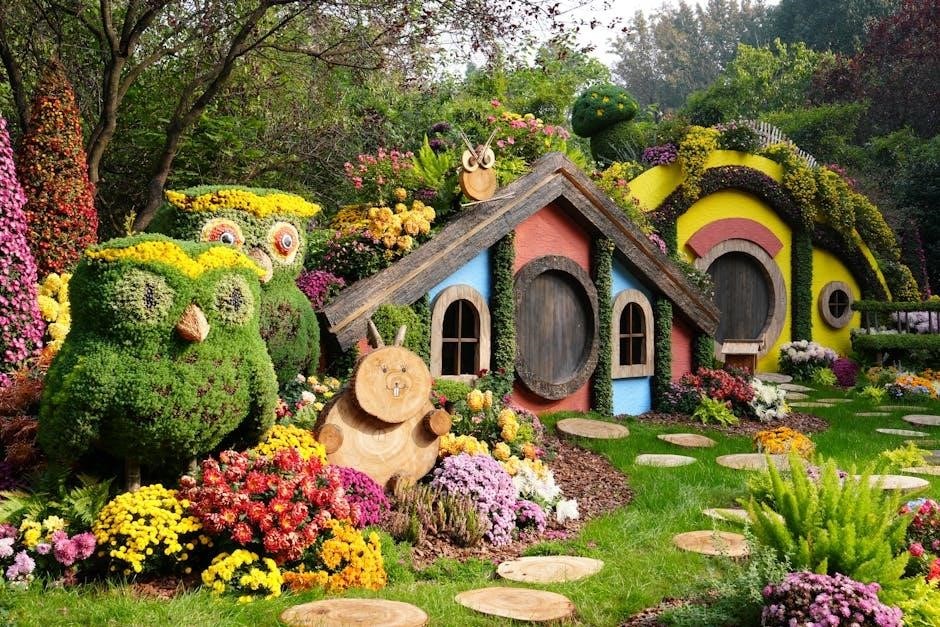
Accompanying The Hobbit PDF, particularly when accessed for educational purposes, are comprehensive comprehension questions covering the initial chapters – specifically, chapters 1 through 3․ These questions are designed to assess understanding of plot details, character introductions, and the foundational elements of Tolkien’s world-building․
The questions delve into key events within “An Unexpected Party” and the subsequent chapters, prompting readers to recall specific moments and analyze their significance․ They encourage critical thinking about Bilbo’s initial reluctance, Gandalf’s influence, and the motivations of the thirteen dwarves․
These resources are invaluable for students and book clubs, fostering deeper engagement with the text․ They facilitate discussions and ensure a thorough grasp of the narrative’s complexities․ Utilizing these questions alongside the PDF version of The Hobbit enhances the reading experience and promotes analytical skills․
Online Reading Platforms for The Hobbit
Numerous online platforms offer access to The Hobbit, including the initial chapters like “An Unexpected Party․” Readers can enjoy the complete, unabridged text of the novel entirely free of charge․ These platforms provide a convenient alternative to downloading a PDF, allowing for immediate reading access without requiring storage space․
One notable platform is dedicated to hosting the entire ebook, offering a seamless online reading experience․ Additionally, an illustrated edition of The Hobbit, beautifully rendered by Alan Lee, is also available for online viewing․ This provides a visually enriched reading experience, complementing Tolkien’s narrative․
While some platforms may not permit file downloads, they prioritize accessibility by enabling readers to immerse themselves in the story directly within their web browsers․ This approach ensures widespread availability of Tolkien’s classic, catering to diverse reading preferences and technological capabilities․
Roblox Application for Reading The Hobbit (French Language)
An intriguing avenue for experiencing The Hobbit exists within the Roblox application, though uniquely presented in the French language․ This application, updated on September 1st, 2023, offers a distinctive reading experience for those proficient in French or seeking language immersion․
Unlike traditional ebook formats like PDFs, the Roblox application doesn’t allow direct file downloads of the book․ Instead, it provides an interactive reading environment within the platform itself․ Users can access and read The Hobbit directly within the application or through the associated website․
This approach caters to a specific audience – French-speaking readers or those utilizing Roblox as a learning tool․ While “An Unexpected Party” and subsequent chapters are accessible, the translation introduces a different perspective on Tolkien’s beloved tale․ The application’s free license further enhances its accessibility, offering a unique way to engage with the story․
D-Link Support and Relevance (Indirect Connection)
The connection between D-Link support and The Hobbit PDF Chapter 1 is, admittedly, indirect, yet highlights the ubiquitous nature of modern technology facilitating access to literature․ In today’s digital age, reliable internet connectivity – often supported by networking equipment like that offered by D-Link – is crucial for downloading and reading digital books․
Accessing a PDF version of “An Unexpected Party” requires a stable internet connection to download the 405 KB file․ D-Link provides 24/7 support and troubleshooting for networking issues, ensuring users can seamlessly access online resources, including digital texts․ Their services encompass warranty support, repair options, and a comprehensive knowledge base․
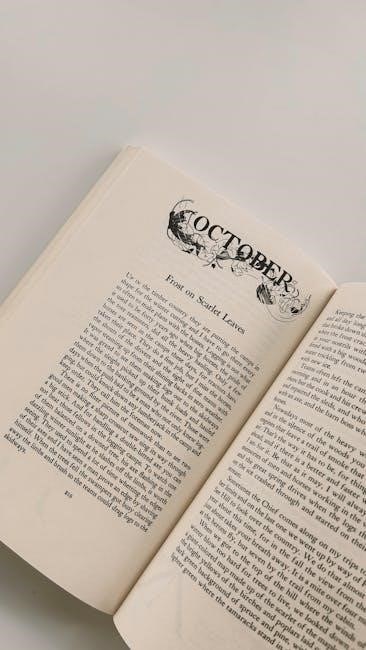
While D-Link doesn’t directly relate to the content of Tolkien’s work, their role in providing reliable network infrastructure enables readers worldwide to enjoy The Hobbit in digital format․ A toll-free number (8-800-700-) offers readily available assistance, ensuring uninterrupted access to literary adventures․
Alan Lee’s Illustrated Edition of The Hobbit
Alan Lee’s stunning illustrations significantly enhance the reading experience of The Hobbit, and his work is available in a dedicated illustrated edition․ While the standard PDF of Chapter 1, “An Unexpected Party,” may not inherently include these visuals, seeking out Lee’s edition provides a richer immersion into Tolkien’s world․
Lee’s artistry beautifully captures the atmosphere of the Shire and the personalities of characters like Bilbo Baggins and Gandalf․ His depictions of the thirteen dwarves and the unfolding events of the unexpected party are particularly noteworthy, adding depth and nuance to the narrative․
Readers can find The Hobbit illustrated by Alan Lee available for online reading, though direct file downloads may be restricted․ The illustrations complement the 17-page, 405 KB PDF version by offering a visual interpretation of the text, making the story even more engaging․ Lee’s work transforms the reading experience from simply reading words to visually exploring Middle-earth․