Crystal Prime 7000 Charging Instructions: A Comprehensive Guide
Navigating the charging process for your Crystal Prime 7000 ensures optimal battery health and performance, covering everything from initial setup to troubleshooting.
The Crystal Prime 7000 represents a significant advancement in electric bicycle technology, particularly with its robust 17.4 Ah battery powering the Mondraker Prime (2025) model. This guide focuses specifically on maximizing the lifespan and efficiency of this power source through proper charging techniques. Understanding the nuances of charging – whether utilizing a standard wall outlet or a Level 2 charger – is crucial for maintaining peak performance and avoiding potential issues.
Like the Rav4 Prime’s charging system, the Crystal Prime 7000 benefits from informed charging habits. This document will detail everything from unboxing and component checks to interpreting LED status indicators, mirroring the comprehensive approach found in manuals for devices like the XPS laptop charger and the TENS 7000.
Understanding the Charging Port
The Crystal Prime 7000 utilizes a specialized charging port designed for optimal power delivery and safety. Located [insert specific location on bike frame here – e.g., near the downtube], the port accepts a compatible charging cable, ensuring a secure and efficient connection. It’s crucial to inspect the port regularly for any debris or damage, similar to checking the connections on an XPS battery charger or a Schumacher battery charger.
The port’s design incorporates protective features to prevent water ingress and short circuits, vital considerations given the potential for outdoor use. Avoid forcing the cable into the port; a smooth, effortless connection indicates proper alignment. Using non-certified cables, as cautioned in general safety guidelines, can compromise charging efficiency and potentially damage the battery.
Initial Charging Procedure
Before your first ride, fully charge the Crystal Prime 7000’s battery. This initial charge calibrates the battery management system (BMS) for accurate readings and optimal performance, much like preparing an XPS laptop or a Rav4 Prime for use. Connect the provided charger to the charging port, ensuring a secure fit. The charging indicator light will illuminate, signaling the charging process has begun.
Allow the battery to charge uninterrupted until the indicator shows a full charge. This may take several hours depending on the charging method (standard outlet vs. Level 2 charger). Avoid using the e-bike while it’s charging. This initial full charge is critical for maximizing battery lifespan, similar to the recommendations for a TENS 7000 rechargeable unit;
Unboxing and Component Check
Upon receiving your Crystal Prime 7000, carefully inspect the packaging for any signs of damage during transit. Open the box and verify that all components are present. You should find the e-bike itself, the dedicated battery charger, and potentially a charging cable appropriate for Level 2 charging, similar to those used with a Rav4 Prime.
Confirm the charger’s voltage matches your local power supply. Also, check for any visible damage to the charger or cable. A damaged charger should never be used. Refer to the included documentation for a complete parts list. Ensuring all components are present and undamaged before proceeding is crucial for safe and effective charging, much like checking a Schumacher battery charger’s condition.
Connecting to a Power Source
Before connecting your Crystal Prime 7000 to a power source, ensure the charger is switched off. Locate the charging port on the e-bike – its specific location will be detailed in the user manual. Carefully align the charger connector with the charging port, ensuring a secure and snug fit, similar to connecting an XPS laptop charger.
Once connected, plug the charger into a suitable power outlet. For standard wall outlets, use a grounded connection. If utilizing a Level 2 charger, confirm compatibility and follow the charger’s specific instructions. Avoid using extension cords if possible; if necessary, use a heavy-duty cord rated for the charger’s amperage. Always prioritize safety, as with a TENS 7000 device.
Standard Wall Outlet Charging
Charging via a standard wall outlet (120V in North America, 230V in Europe) is the most common method for the Crystal Prime 7000. However, it’s also the slowest. Expect significantly longer charging times compared to a Level 2 charger, much like charging a Rav4 Prime solely from a household outlet.
Ensure the outlet is properly grounded and can handle the charger’s power draw. Avoid sharing the outlet with other high-demand appliances to prevent overloading. Monitor the charging indicator lights – these will signal when charging is in progress and when it’s complete. Patience is key; a full charge can take several hours, similar to an older Schumacher battery charger.
Level 2 Charger Compatibility
The Crystal Prime 7000 is fully compatible with Level 2 chargers (240V), offering a significantly faster charging experience. Similar to the benefits seen with a Rav4 Prime, Level 2 charging dramatically reduces the time needed to replenish the battery. This requires a dedicated 240V circuit, commonly used for appliances like dryers or ovens.
Before connecting, verify the charger’s amperage output matches the Crystal Prime 7000’s charging specifications. Using a higher amperage charger won’t necessarily speed up charging, and could potentially cause issues. Always use a certified charging cable designed for Level 2 charging, ensuring safe and efficient power transfer, much like with an XPS laptop charger.
Charging Indicators and Status Lights
The Crystal Prime 7000 utilizes a multi-color LED indicator system to communicate charging status. Understanding these signals is crucial for monitoring the charging process. A solid blue light typically indicates charging is in progress, while a flashing blue light may signify a slower charging rate or connection issue.
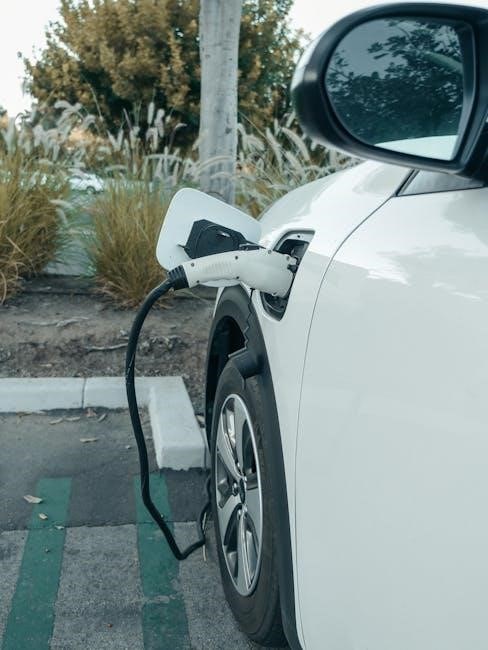
A solid green light confirms a full charge, and the charger may automatically switch to a maintenance mode. A red light usually signals an error, potentially related to temperature, cable connection, or charger malfunction – similar to troubleshooting a Schumacher battery charger. Refer to the troubleshooting section for detailed guidance on interpreting specific LED patterns.
Interpreting the LED Signals
Decoding the Crystal Prime 7000’s LED signals provides vital insight into the charging process. A consistently blinking red light often indicates a critical error, such as an incompatible charger or a significant temperature issue – much like issues with an XPS laptop charger. A slow, pulsing blue light suggests a standard outlet is being used, resulting in extended charging times.
Conversely, a rapid blue flash signifies Level 2 charger compatibility and faster charging. A solid green light confirms full capacity, while a dimming green light may indicate trickle charging. Always consult the troubleshooting guide if an unfamiliar LED pattern appears, ensuring optimal battery health and preventing potential damage.
Charging Times – A Detailed Breakdown
Understanding the Crystal Prime 7000’s charging durations is crucial for planning and maximizing usability. Utilizing a standard wall outlet (120V) typically requires approximately 6-8 hours for a complete charge, similar to a Rav4 Prime’s standard charging timeframe. However, employing a Level 2 charger (240V) dramatically reduces this to just 2-3 hours, offering a significant time saving.
These estimates assume a completely depleted battery. Partial charges will naturally take less time. Factors like ambient temperature and battery age can also influence charging speed. Regularly monitoring the LED indicators provides real-time progress updates, ensuring you’re always aware of the charging status.
Charging Time with Standard Outlet
When utilizing a standard 120V wall outlet, the Crystal Prime 7000 requires a longer charging duration. Expect a full charge from zero to 100% to take between 6 and 8 hours. This timeframe is comparable to charging other electric vehicles, like the Rav4 Prime, with a standard outlet.
It’s important to note that this is the slowest charging method. For users who need to quickly replenish the battery, a Level 2 charger is highly recommended. The actual charging time can vary slightly depending on the outlet’s voltage stability and the battery’s initial charge level. Consistent monitoring of the charging indicator is advised.
Charging Time with Level 2 Charger
Employing a Level 2 charger (240V) significantly reduces the charging time for your Crystal Prime 7000. A full charge, starting from a depleted battery, typically takes between 2.5 to 4 hours. This is a substantial improvement over standard outlet charging, mirroring the faster charging capabilities of vehicles like the Rav4 Prime when using a similar charger.
The precise charging duration depends on the charger’s amperage output and the battery’s current state. Higher amperage Level 2 chargers will deliver quicker charging speeds. Regularly checking the charging indicator lights provides real-time updates on the charging progress. This method is ideal for overnight charging or quick top-ups before rides.
Optimizing Charging Speed
To maximize charging speed for your Crystal Prime 7000, several factors are crucial. Prioritize using a Level 2 charger whenever possible, as it delivers significantly faster charging compared to standard outlets. Ensure the charging cable is certified and in good condition, avoiding any damage that could impede current flow.
Ambient temperature plays a role; avoid charging in extremely hot or cold environments. Maintaining a moderate temperature, similar to considerations for the TENS 7000 device, helps optimize battery performance. Finally, while not always necessary, disconnecting other high-draw appliances from the same circuit can prevent potential power limitations.
Battery Health and Charging Habits
Prolonging the lifespan of your Crystal Prime 7000’s battery requires mindful charging habits. Avoid consistently allowing the battery to fully discharge, as this can stress the cells. Instead, consider topping it up regularly. Like the Rav4 Prime’s PHEV battery, frequent partial charges are generally healthier than infrequent full cycles.
Furthermore, avoid leaving the device plugged in for extended periods after reaching 100% charge, as this can contribute to overcharging. Understanding your battery’s capacity and voltage, similar to the XPS laptop’s charger considerations, is also beneficial for informed usage.
Avoiding Overcharging
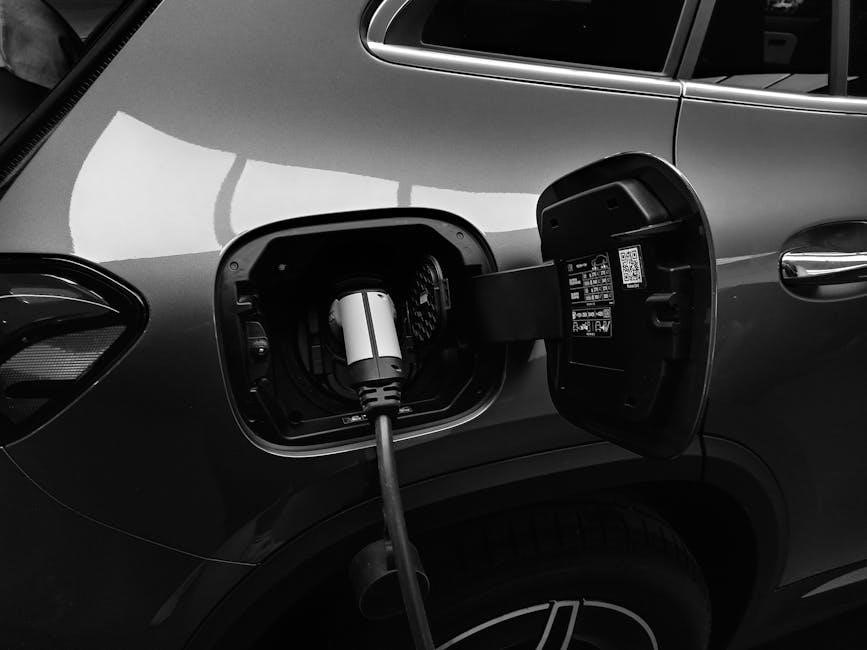
Overcharging can degrade the Crystal Prime 7000’s battery health over time, diminishing its capacity and lifespan. While modern devices often have built-in protection mechanisms, it’s still prudent to practice preventative measures. Disconnect the charger once the battery reaches 100%, avoiding prolonged “trickle charging”.
Consider utilizing a smart charger or power strip that automatically cuts off power once fully charged, similar to recommendations for Schumacher battery chargers. Regularly monitoring the charging indicators, as detailed in the status lights section, will help prevent accidental overcharging. Consistent adherence to these habits will maximize battery longevity.
Temperature Considerations During Charging
Maintaining an optimal temperature range during charging is crucial for the Crystal Prime 7000’s battery health and safety. Avoid charging in extremely hot or cold environments. Ideal charging temperatures typically fall between 20°C and 25°C (68°F and 77°F).
Exposure to excessive heat can accelerate battery degradation, potentially leading to reduced capacity and even safety hazards, mirroring concerns with TENS 7000 devices. Similarly, charging in freezing temperatures can temporarily reduce battery performance. Never charge the device in direct sunlight or near heat sources. Allow the battery to return to a moderate temperature before initiating the charging process.
Troubleshooting Common Charging Issues
Encountering charging difficulties with your Crystal Prime 7000? Let’s address common problems. If the charger isn’t recognizing the device, ensure a secure connection and try a different USB-C cable – certified cables are vital. Slow charging rates could stem from using a standard outlet instead of a Level 2 charger, or a damaged cable.
Verify the power source is functioning correctly. If issues persist, a reset of the charging system might be necessary (consult the full manual). Similar to XPS laptop chargers, a faulty charger itself can be the culprit. If none of these steps resolve the problem, contact customer support for assistance.
Charger Not Recognizing Device
If your Crystal Prime 7000 isn’t charging, the first step is verifying device recognition. A common issue is a loose or faulty connection. Ensure the charging cable is firmly plugged into both the Crystal Prime 7000 and the power source. Try a different USB-C cable; damaged or non-certified cables can cause connectivity problems, mirroring issues seen with XPS battery chargers.
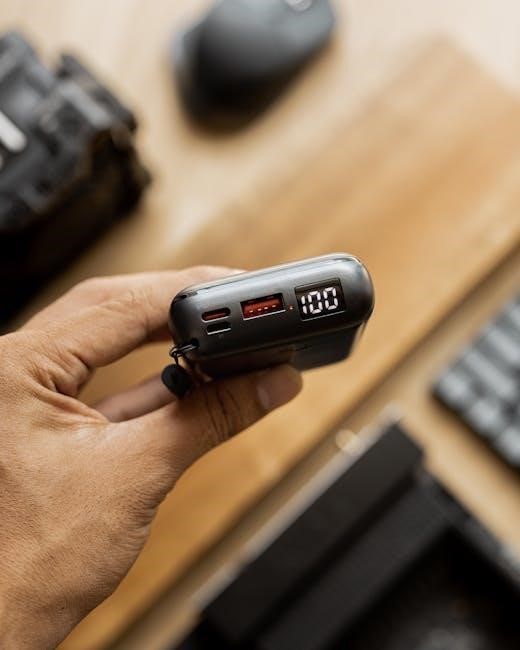
Inspect the charging port on the device for any debris or damage. A simple restart of the Crystal Prime 7000 can sometimes resolve software glitches preventing recognition. If the problem continues, test the charger with another compatible device to isolate the issue.
Slow Charging Rates – Possible Causes
Experiencing sluggish charging with your Crystal Prime 7000? Several factors could be at play. Using a standard wall outlet instead of a Level 2 charger significantly extends charging times, similar to the Rav4 Prime’s charging dynamics. The charging cable itself is a prime suspect; ensure it’s a certified, high-quality cable capable of delivering sufficient power.
Background app activity and device usage during charging can also slow down the process. Temperature extremes can impact charging speed – avoid charging in very hot or cold environments. Finally, a partially degraded battery, as with any battery, may exhibit slower charging rates over time.
Safety Precautions During Charging
Prioritizing safety during the charging process is paramount for both you and your Crystal Prime 7000. Absolutely avoid any exposure to water or moisture while charging – this poses a serious electrical hazard, mirroring precautions for devices like the TENS 7000. Always utilize certified charging cables and power adapters to prevent damage and ensure stable power delivery.
Never attempt to disassemble or modify the charger or battery. Inspect the charging cable regularly for any signs of wear or damage. Avoid charging in direct sunlight or near flammable materials. If you notice any unusual smells, sounds, or overheating, immediately disconnect the charger and consult a qualified technician.
Avoiding Water Exposure
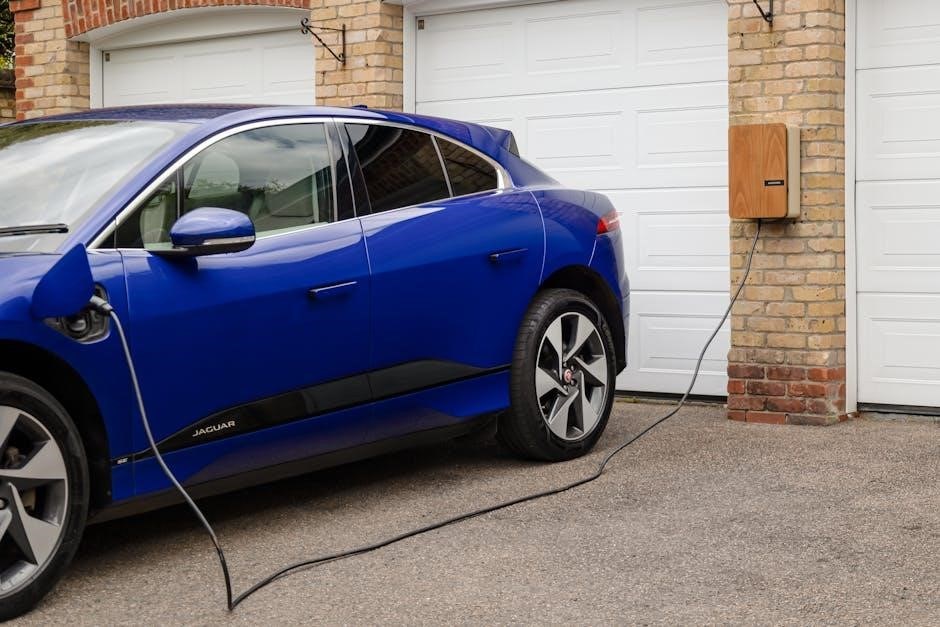
Water and electricity are a dangerous combination; therefore, strict adherence to avoiding water exposure during charging is crucial for your Crystal Prime 7000. Never charge the device in damp environments like bathrooms or near swimming pools. Even seemingly minor splashes can cause significant damage to the battery and charging circuitry, potentially creating a safety hazard.
Ensure the charging port and cable connections are completely dry before initiating the charging process. If the device or charger has been exposed to water, do not attempt to charge it until it has been thoroughly dried by a qualified professional. This precaution mirrors safety guidelines for devices like the TENS 7000, where electrical safety is paramount.
Using Certified Charging Cables
To guarantee safe and efficient charging of your Crystal Prime 7000, always utilize certified charging cables specifically designed for the device. Non-certified cables may lack the necessary safety features and could potentially damage the battery or charging system, voiding your warranty. Inferior cables can also lead to slower charging speeds or inconsistent power delivery.
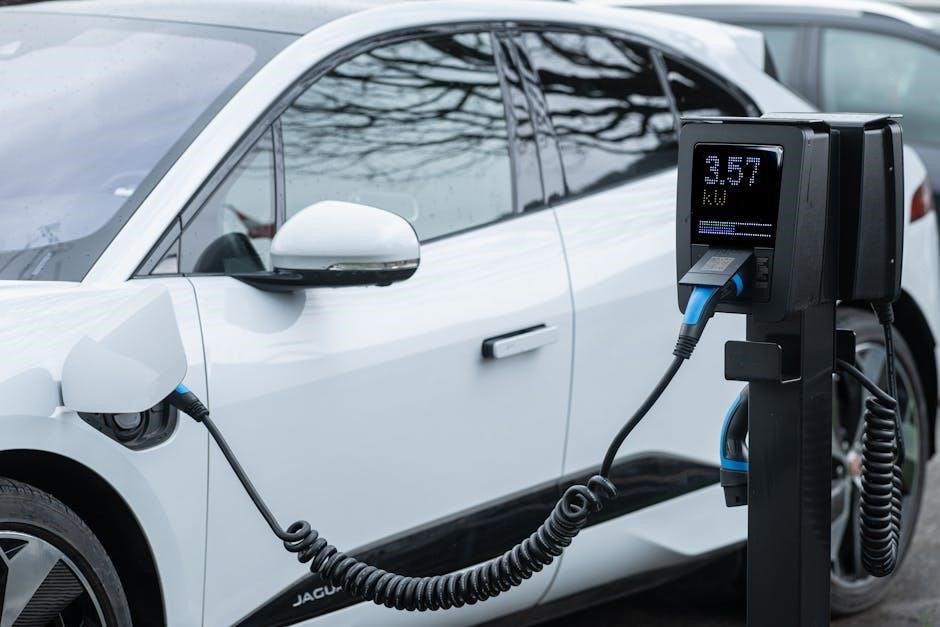
Look for cables that meet relevant safety standards and are explicitly approved for use with the Crystal Prime 7000. Similar to the importance of a proper manual for an XPS laptop charger or a Schumacher battery charger, using the correct cable is non-negotiable. Avoid using damaged or frayed cables, as these pose a significant electrical risk.
Crystal Prime 7000 Battery Specifications

Understanding the core specifications of your Crystal Prime 7000’s battery is crucial for optimal charging and longevity. The battery boasts a substantial 17.4 Ah capacity, providing extended range and usage time. Operating voltage is carefully regulated to ensure compatibility with the charging system and prevent damage, similar to the considerations for a Rav4 Prime’s charging setup.
The battery utilizes advanced Lithium-ion technology, known for its high energy density and relatively long lifespan. While lifespan varies with usage and charging habits, expect several years of reliable performance. Proper care, avoiding overcharging, and maintaining appropriate temperatures, as with a TENS 7000 rechargeable unit, will maximize battery health.
Battery Capacity and Voltage
The Crystal Prime 7000 is equipped with a high-capacity 17.4 Amp-hour (Ah) battery, delivering substantial power for extended rides. This capacity directly influences the range achievable on a single charge, comparable to the energy storage in a Rav4 Prime. Voltage is a critical parameter, carefully regulated to ensure safe and efficient charging and operation.
The battery operates at a specific voltage, optimized for the motor and electronic control system. Maintaining this voltage within specified limits is vital for preventing damage and maximizing performance; Like an XPS laptop battery, consistent voltage levels contribute to overall battery health. Understanding these specifications allows for informed charging practices and troubleshooting, mirroring the guidance found in a Schumacher battery charger manual.
Battery Type and Lifespan
The Crystal Prime 7000 utilizes Lithium-ion battery technology, renowned for its high energy density, relatively lightweight design, and slow self-discharge rate. This is similar to the batteries found in modern XPS laptops and the Rav4 Prime, offering a balance of performance and longevity. However, like all rechargeable batteries, the lifespan is finite and influenced by usage patterns.
Factors impacting lifespan include charging habits, temperature exposure, and depth of discharge. Avoiding overcharging and extreme temperatures, as highlighted in TENS 7000 device safety guidelines, are crucial. A typical Lithium-ion battery can retain 80-90% of its original capacity after 500-1000 full charge cycles. Proper care, guided by these instructions, maximizes the battery’s operational life, ensuring years of reliable performance.
Warranty Information Related to Charging
The Crystal Prime 7000 warranty covers defects in materials and workmanship related to the charging system for a period of one year from the date of purchase. This includes the charging port, internal charging circuitry, and the supplied charger, mirroring standard practices for devices like the TENS 7000. Damage resulting from misuse, such as using non-certified cables or exposing the device to water, voids the warranty.
To claim warranty for charging issues, contact our customer support with proof of purchase and a detailed description of the problem. We may request diagnostic testing or return of the device for inspection. The warranty does not cover battery degradation due to normal use, aligning with typical Lithium-ion battery limitations.
What is Covered?
The Crystal Prime 7000 charging system warranty encompasses manufacturing defects affecting the charging functionality. Specifically, this includes failures within the charging port itself, internal charging regulation components, and any included charging accessories – similar to coverage offered for XPS laptop chargers. We guarantee against malfunctions preventing proper charging or causing unsafe charging conditions.
This warranty extends to issues like the device not recognizing a compatible charger, significantly slower-than-expected charging rates due to internal faults, or complete charging system failure. However, it’s crucial to note that damage caused by external factors, such as using uncertified cables or physical damage, is explicitly excluded, mirroring policies for Schumacher battery chargers.
How to Claim Warranty for Charging Issues
To initiate a warranty claim for charging-related problems with your Crystal Prime 7000, first, gather your proof of purchase – a receipt or invoice detailing the date of acquisition. Contact our dedicated customer support team via phone or email, outlining the specific charging issue you’re experiencing. Be prepared to provide detailed information, similar to reporting a Rav4 Prime charging concern.
Our support team will guide you through initial troubleshooting steps; If the issue persists, we’ll issue a Return Merchandise Authorization (RMA) number and instructions for securely packaging and shipping the device. Warranty claims, like those for ASUS Prime motherboards, require the original packaging whenever possible. Upon receiving and verifying the defect, we’ll repair or replace the unit, as appropriate.
Frequently Asked Questions (FAQ)
Q: Can I use a different charger than the one provided with my Crystal Prime 7000? A: While technically possible, we strongly recommend using the supplied charger to ensure optimal performance and avoid potential damage, much like with an XPS laptop’s charger. Using uncertified chargers may void your warranty.
Q: What if my charger is damaged? A: Do not attempt to repair a damaged charger yourself. Contact our customer support immediately. Continuing to use a faulty charger poses a safety risk, similar to a malfunctioning Schumacher battery charger. We will arrange for a replacement under warranty if applicable.
Q: How long will the battery last? A: Battery lifespan depends on usage and charging habits. Refer to the ‘Battery Type and Lifespan’ section for detailed information.
Can I Use a Different Charger?
While the Crystal Prime 7000 is designed with charging compatibility in mind, utilizing the provided charger is always the recommended course of action. This ensures optimal charging speeds and safeguards the longevity of your battery, mirroring advice for devices like the Rav4 Prime. Deviating from the specified charger could introduce inconsistencies.
Using third-party chargers may not deliver the precise voltage and current required for efficient and safe charging. This can lead to slower charging times, reduced battery lifespan, or, in rare cases, potential damage. Similar to the XPS battery charger manual’s guidance, sticking to the original is best.
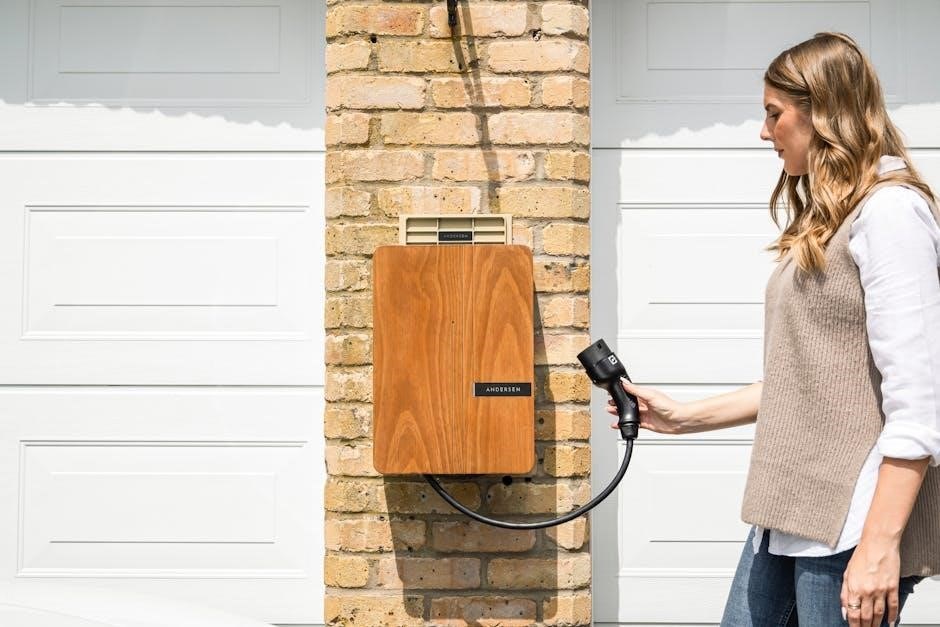
If a replacement is needed, prioritize a charger with identical specifications to the original.
What if the Charger is Damaged?
If you suspect your Crystal Prime 7000 charger is damaged – exhibiting frayed cables, exposed wiring, or unusual noises – immediately discontinue its use. Continuing to operate a damaged charger poses a significant safety risk, potentially leading to electrical shock or fire, echoing safety precautions for devices like the TENS 7000.
Do not attempt to repair the charger yourself. Tampering with electrical components can be extremely dangerous and will likely void any warranty coverage. Instead, contact customer support to explore replacement options.
Refer to the warranty information to determine if the damage is covered. A damaged charger often falls under warranty provisions, similar to charging issues with the Rav4 Prime.